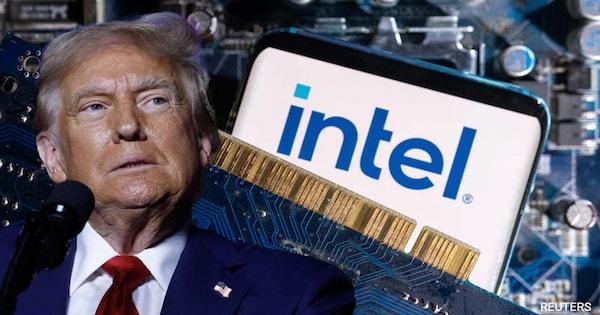
In a historic move, the U.S. government has officially acquired a 10% ownership stake in Intel, one of the world’s largest semiconductor manufacturers. The decision marks a significant step toward strengthening domestic chip production, reducing dependence on foreign suppliers, and ensuring America’s long-term technological leadership.
Why the Government Invested in Intel
The semiconductor industry is at the heart of modern technology, powering smartphones, AI systems, electric vehicles, defense technologies, and data centers. Over the past few years, global chip shortages and supply chain disruptions exposed America’s over-reliance on overseas manufacturing, especially in Taiwan and South Korea.
This new deal ensures the U.S. can secure critical semiconductor capacity and avoid risks associated with geopolitical tensions in Asia.
Key reasons behind the investment include:
- Enhancing domestic chip production capabilities
- Securing the U.S. technology supply chain
- Supporting AI, defense, and advanced computing sectors
- Reducing reliance on foreign chipmakers like TSMC and Samsung
Impact on Intel and the Semiconductor Industry
With this investment, Intel gains massive government support to scale production and lead innovation. The deal will accelerate:
- New U.S.-based chip fabrication plants
- Research in next-gen processors and AI chips
- Collaboration with industries in automotive, defense, and cloud computing
Intel’s rivalry with NVIDIA, AMD, and Samsung is expected to intensify as the U.S. aims to dominate the global semiconductor race.
How This Shapes the U.S. Tech Future
This strategic acquisition ties closely to the CHIPS and Science Act, a federal initiative aimed at reviving semiconductor manufacturing in the U.S.. Analysts expect:
- More jobs in semiconductor research and engineering
- Faster innovation in AI-driven technologies
- Stronger economic growth through tech leadership
With rising global demand for high-performance chips, this investment places America at the center of AI, quantum computing, and next-gen chip production.
Market & Investor Reactions
The announcement immediately impacted Intel’s stock price, with trading volumes spiking across Wall Street. Market experts believe this deal could drive long-term revenue growth and solidify Intel’s leadership position. However, challenges remain, including scaling production capacity and maintaining competitive pricing.
What This Means for Consumers
For everyday consumers, this deal could lead to:
- Lower hardware costs due to reduced global chip shortages
- Better availability of next-gen smartphones, laptops, and gaming consoles
- Faster innovation in AI-powered products and connected devices
FAQs
1. Why did the U.S. government acquire a 10% stake in Intel?
The investment strengthens domestic semiconductor production, reduces foreign dependency, and boosts technological security.
2. How will this affect the global chip market?
It intensifies competition with TSMC, Samsung, and NVIDIA, shifting more production to U.S. soil and reducing reliance on Asian manufacturing.
3. Will this impact Intel’s future products?
Yes. Expect faster innovation in AI, processors, and cloud computing chips due to increased funding and R&D investment.
4. Is this part of the CHIPS and Science Act?
Absolutely. This aligns with the federal initiative to revive American semiconductor manufacturing and secure national tech independence.



.png)